
What if we imagined the kitchen of tomorrow?
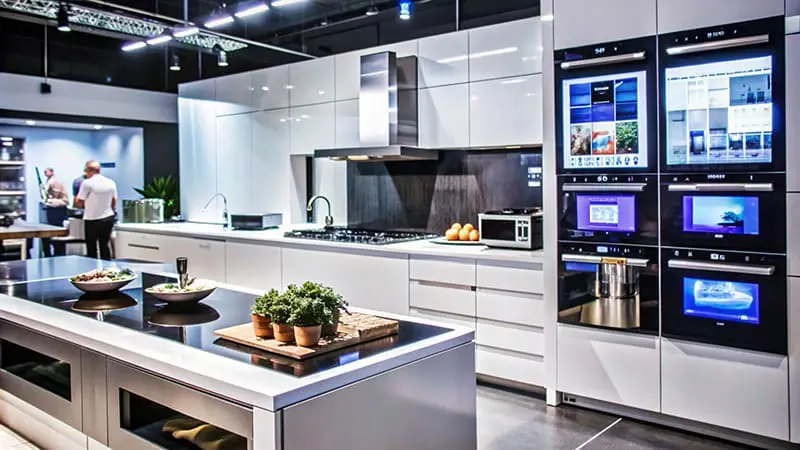
Imagine yourself in 2045, in a kitchen that is both modern and intuitive. The design is sleek, the surfaces respond to touch, and the built-in artificial intelligence suggests recipes tailored to your mood or the ingredients you have on hand. The oven automatically adjusts the temperature and cooking time based on the ingredients used. Everything seems designed to save you time and improve your daily life.
And yet, one detail catches your eye. On the countertop, a plastic water bottle sits like a relic from another era. The image seems out of place. In 2045, seeing a plastic bottle in such an advanced kitchen is like finding an old rotary phone in a smart home. The contrast is striking.
In 2025, cooking will evolve... but water will not
Today, our kitchens are more sophisticated than ever before. We use multifunctional food processors, induction hobs, oil-free fryers, connected ovens, and refrigerators that can manage our food supplies. Innovation has transformed the way we cook, store, and consume food.
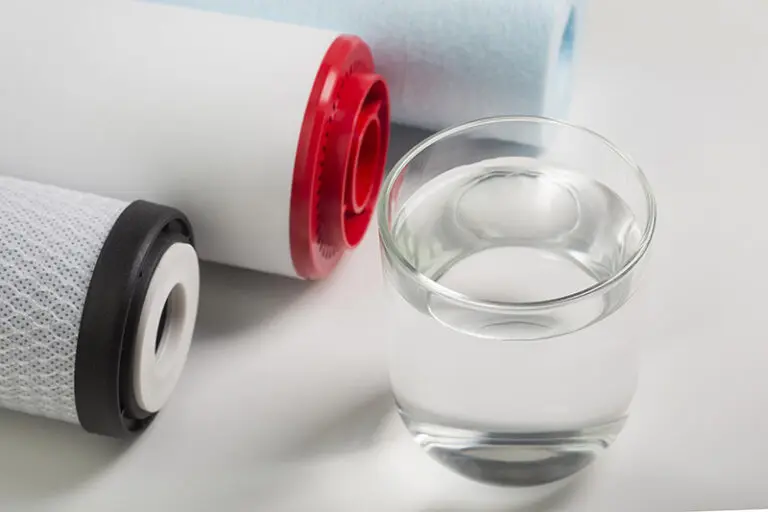
And yet, water remains stuck in outdated practices. We continue to buy plastic bottles, boil water for a simple cup of tea, or use filter jugs and reverse osmosis systems that require regular maintenance and waste several liters of water for every liter filtered.
Why do we still accept these constraints, even though we have revolutionized every other aspect of our cooking? Why have we been able to devise equipment capable of reducing our oil or energy consumption, but not a simple and effective solution for drinking high-quality water at home?
The age of plastic: a hard habit to break
Between the 1980s and 2000s, bottled water became the obvious choice. It was considered purer, healthier, and better controlled. It became part of our daily lives as a guarantee of health and safety, without anyone questioning its environmental impact.
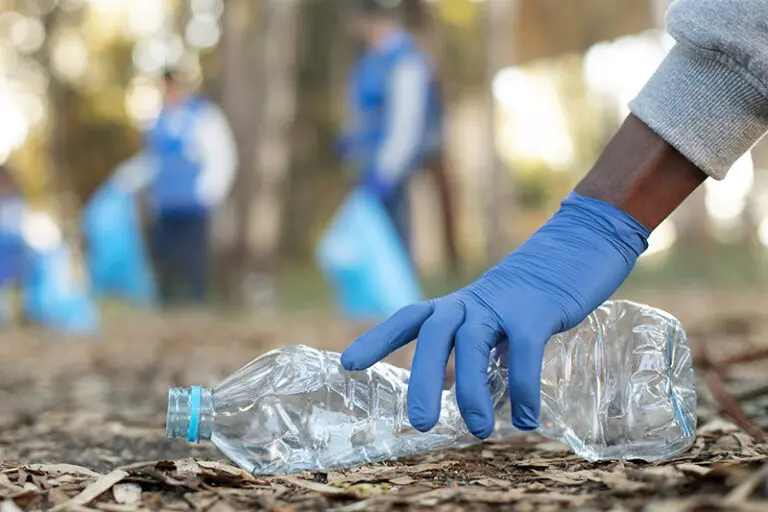
Over time, the first warnings about plastic pollution began to circulate. As early as the 2000s, studies revealed the extent of the environmental damage: every year, 8 million tons of plastic are dumped into the oceans. Images of marine animals suffocated or injured by plastic waste began to make an impression, particularly on social media.
And yet, despite this growing awareness, old habits die hard. In 2024, French people still consume more than 9 billion bottles of water per year. We know that plastic is an ecological disaster. We know that this mode of consumption is outdated. But we have not yet found an alternative that is as accessible, as simple, and as automatic as picking up a bottle and placing it on the table.
A transformed kitchen, except for the water
Comparing a kitchen from the 1990s to one today shows how far we have come. Induction hobs have replaced cast iron hotplates, saving time and energy. Air fryers have eliminated the need to cook in oil, reducing the fat content in our meals. Food processors have automated food preparation, making cooking accessible to everyone. Smart refrigerators help prevent food waste through optimized inventory management.
But when it comes to water, almost nothing has changed. We still heat water in a kettle, we still carry packs of water, and we still depend on filtration systems that are sometimes ineffective or restrictive. This contrast between innovation and inertia raises questions. Why do we still accept storing water in plastic bottles, waiting for a kettle to boil, or drinking filtered water without any certainty about its quality?
If all other uses of the kitchen have evolved, it is time for water to follow suit.
Smart water: an inevitable advance
Over the next five years, the way we use water in the kitchen will undergo a radical transformation. Bottles will become obsolete, just as fax machines and VCRs did in their day. Filter jugs will seem as outdated as flip phones.
Smart water offers a concrete solution to these challenges. Thanks to advanced filtration, water becomes instantly pure and ready to drink, without waiting or waste. Unlike osmosis systems, it does not reject several liters for every liter filtered. The temperature is automatically adjusted according to use: hot water for tea, warm water for baby bottles, cool water for hydration.
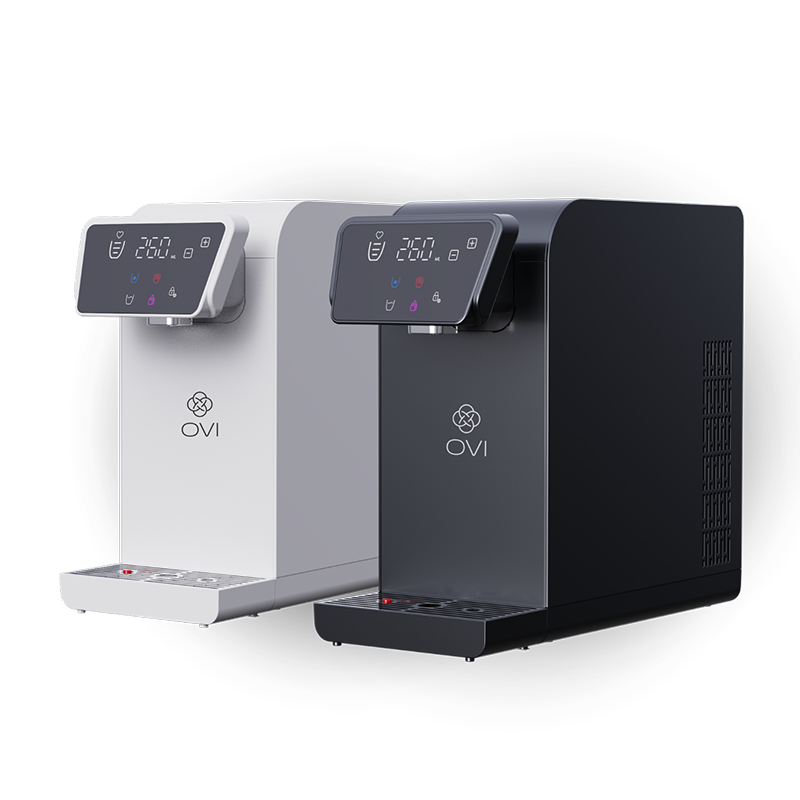
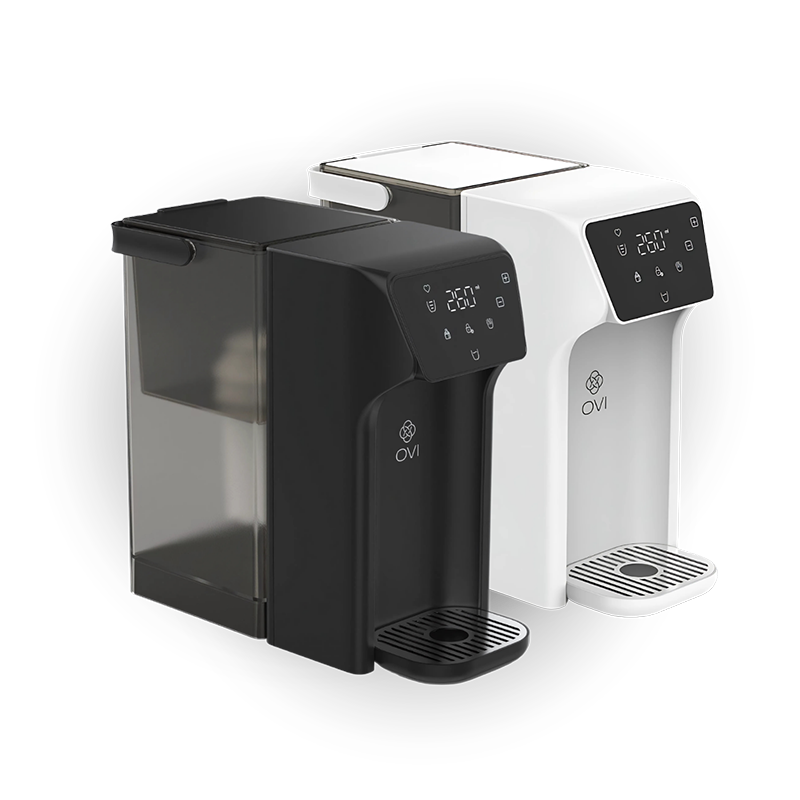
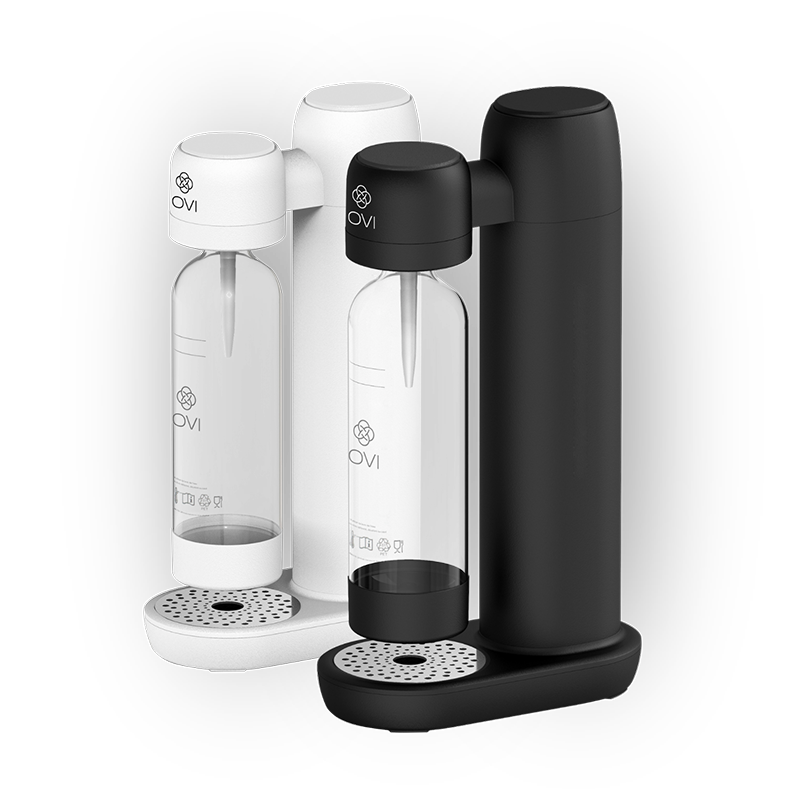
That's exactly what OVI offers. This new generation of water fountains fits perfectly into modern kitchens. It can be used every day, without any constraints, and effectively replaces old practices. Just as induction hobs have replaced gas, or food processors have transformed meal preparation, OVI marks a new stage in the evolution of the kitchen.
In ten years, all this will seem obvious.
Imagine two children in 2034 chatting over a glass of water. One asks, "Is it true that people used to buy bottled water?" And the other replies, surprised: "Yes, they transported it in their cars, stored it in the fridge, and then threw away the plastic." A silence follows, then a question: "But why?" And the only logical answer will be: "No idea. They didn't know any better."
This scenario, which may raise a smile, nevertheless reflects a reality: what we consider normal today will soon seem archaic. We now have the opportunity to be among those who have taken the lead by integrating smart water today.
OVI: a sustainable, modern, and intuitive solution
The way we cook has evolved. Our consumption habits have changed. We have learned to manage our energy better, reduce our ecological impact, and save time in our daily lives.
So why not change the way we drink water too?
OVI is part of this responsible modernization approach. The solution meets current requirements in terms of ecology, practicality, and performance. It requires no compromise and fits naturally into the world of modern kitchens.
The future of water is already here. All that remains is to take the plunge.