
A discovery that speaks volumes
Paris, 2085. During an excavation in an abandoned shopping mall, a team of archaeologists unearths thousands of plastic bottles. Some are still full, others crushed or yellowed, but most are almost intact despite the decades that have passed. This relic of our era raises a troubling question: why, when drinking water was available in homes, did our societies persist in transporting water in disposable containers made from petroleum?
An object of progress that has become a symbol of inefficiency
Plastic bottles were originally seen as a practical innovation. First appearing in the 1950s, plastic is lightweight, strong, and inexpensive to produce. In the decades that followed, advertising campaigns redoubled their efforts to promote the idea that bottled water is purer, healthier, and better for you than tap water.
This message is deeply ingrained in consumer habits. It influences entire generations, to the point of making this practice seem almost natural. However, reality largely contradicts this ideal image.
An industry with an excessive carbon footprint
Bottled water generates a heavy and polluting supply chain. Every day, millions of bottles are produced, filled, transported over long distances, and then distributed to points of sale. This process mobilizes considerable resources, particularly fossil fuels. In the United States alone, the production of plastic bottles requires approximately 17 million barrels of oil each year.
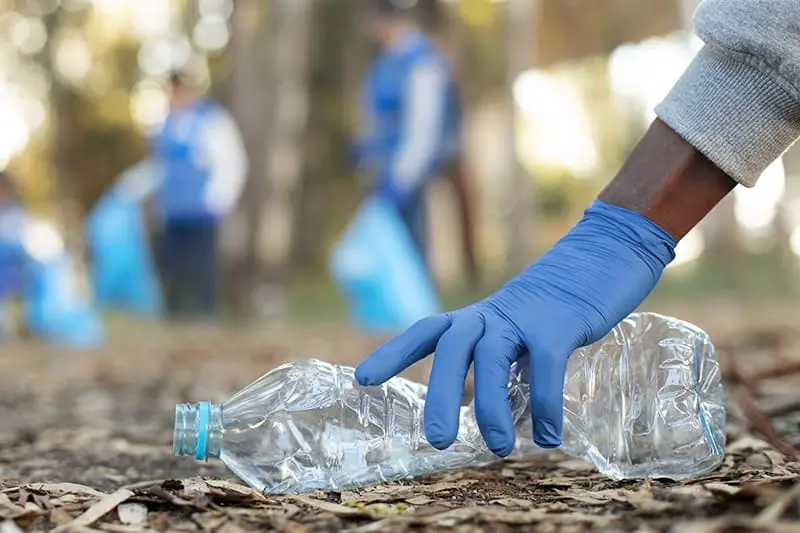
Recycling is nothing but a false hope: less than 9% of bottles are actually recycled. The rest ends up incinerated, buried, or worse, abandoned in nature. If nothing changes, it is estimated that by 2050, the oceans will contain more plastic than fish.
Alleged purity called into question
Bottled water does not guarantee the quality it claims to offer. Several studies have shown that these waters often contain contaminants, including microplastics. An analysis conducted in 2018 by Orb Media reveals that 93% of the samples tested contained them. In some cases, PFAS (perfluoroalkyl substances) levels even exceed the thresholds recommended by health authorities.
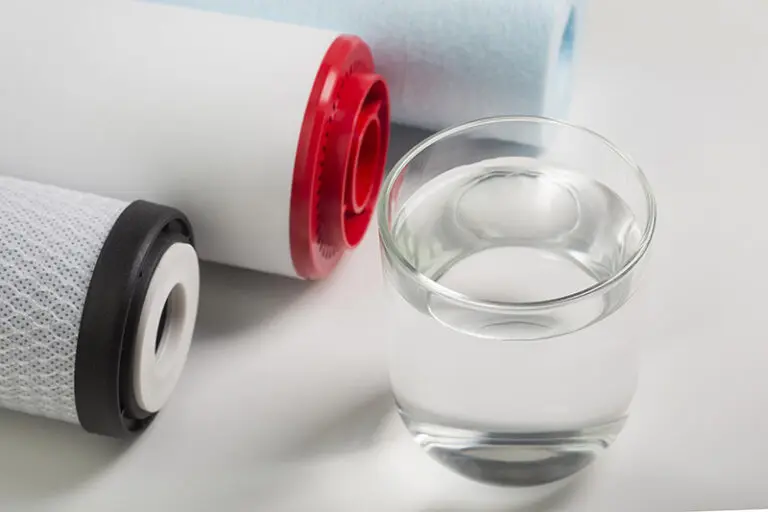
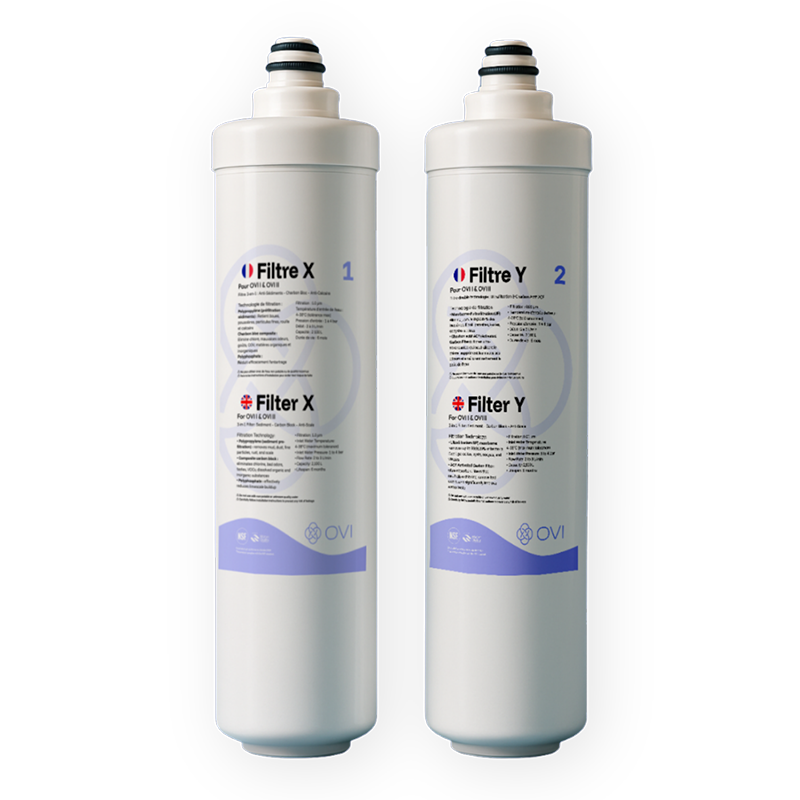
In light of this, filtered tap water appears to be a much more reliable alternative. It is subject to strict daily checks and can be easily filtered at home, without packaging, transport, or pollution.
Deep-rooted but costly habits
If the evidence is there, why do we continue to buy bottled water? There are several reasons for this. The first is the weight of habit. Many consumers repeat behaviors learned in childhood without questioning them. Others consider that a bottle of water for one euro is affordable, without measuring the impact over a full year.
In reality, a family that consumes two bottles a day spends around €800 per year. And of this amount, barely 20% corresponds to the water itself. The rest covers the plastic, marketing, and logistics. This model, long considered normal, has become economically and ecologically nonsensical.
A plastic-free future is already underway
Alternatives exist and are becoming more widespread. In many countries, plastic bottles are already banned in certain areas or for certain uses. Households are increasingly equipping themselves with integrated filtration systems that are easy to use and durable.
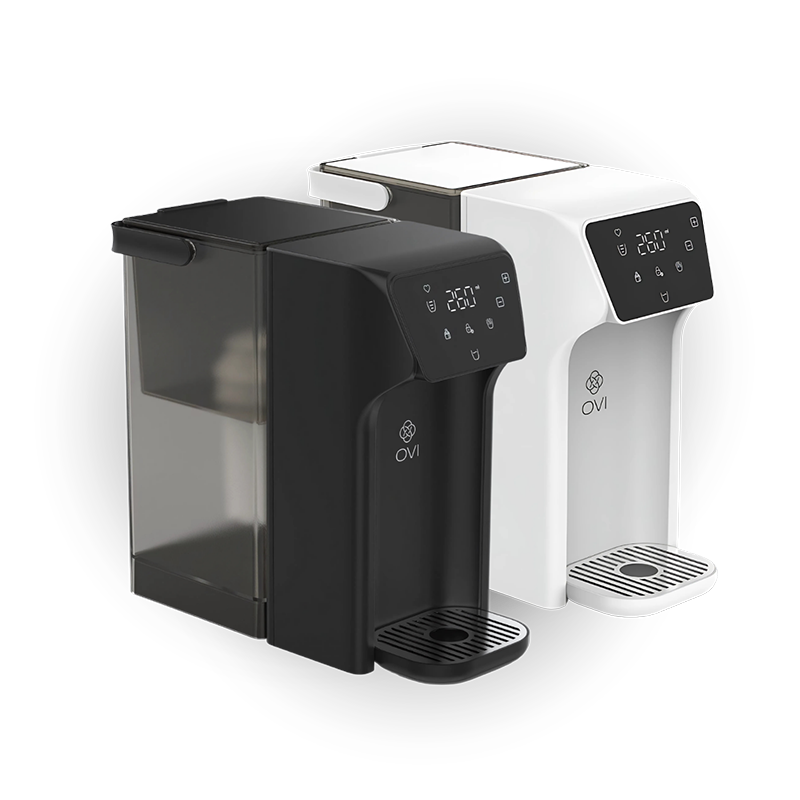
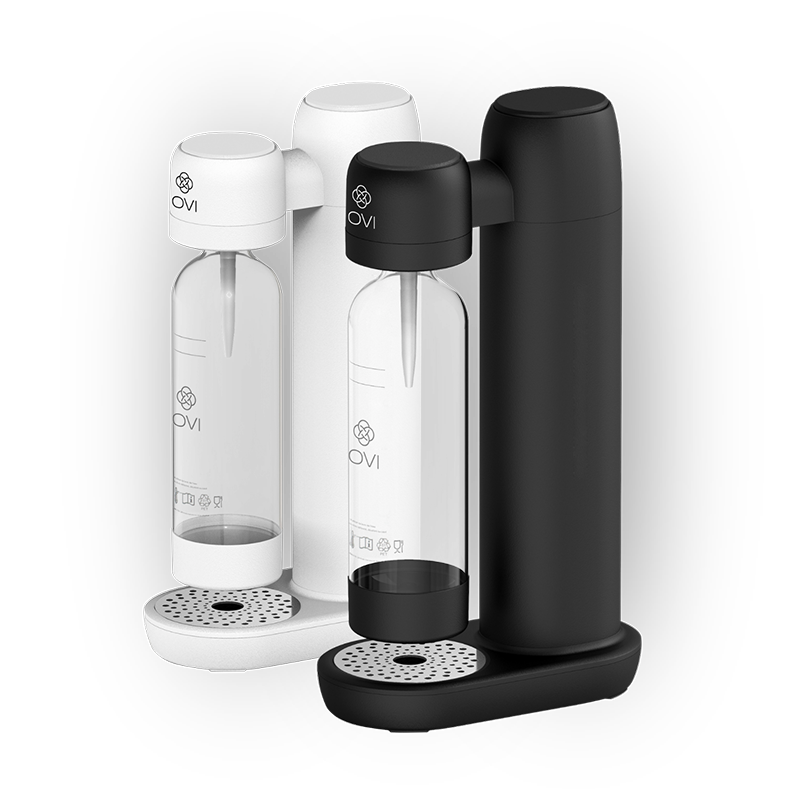
Solutions such as OVI provide a concrete response to this transition. Thanks to a fountain that delivers filtered water at a chosen temperature, without plastic and without transport, consumers have access to high-quality water directly in their homes. This type of equipment foreshadows what will become the norm in the years to come.
An aberration destined to disappear
In twenty years' time, bottled water will probably be seen as a curiosity of the past. It will seem absurd that we once accepted transporting drinking water in disposable containers when it was already available in every home.
Today, we have the technical and economic means to change our habits. It is no longer a question ofwhetherwe will abandon bottled water, butwhenwe will choose logic, efficiency, and sustainability.